High-performance parts designed with CFD, manufactured in composite materials and validated on track. For those who refuse to accept factory standard.
In the world of competition and high-level tuning, the difference between winning and losing is measured in tenths of a second, grams of weight and millimeters of aerodynamic geometry. That can't be improvised — it must be designed.
Alpha Tech Performance was born from the convergence of aeronautical engineering rigor and a passion for motorsport. Every part we manufacture is backed by CFD analysis, structural simulation and process validation. This isn't visual tuning — it's engineering in motion.
Every service follows the same logic: real performance problem, rigorous technical method, measurable track result.
Unwanted lift at high speed, instability in corners or insufficient downforce for the grip level needed.
CFD simulation with ANSYS Fluent, surface pressure analysis and iterable parametric geometry until the downforce target is reached.
Optimized aerodynamic geometry with verified CL and CD data — before investing in manufacturing.
Plastic parts that can't handle engine heat, steel components that add unnecessary weight, or aftermarket catalogues that don't fit your vehicle.
Custom CAD design + manual T700 carbon fiber lamination + oven curing with temperature and pressure control.
Part to exact specification: minimum weight, validated structural resistance and exhibition-ready finish.
Generic kits that don't fit, accessories lacking aerodynamic coherence with each other, or aesthetics without technical foundation.
Full kit design (splitter, diffuser, side skirts, wing) with CFD-validated aerodynamic coherence and composite material manufacturing.
Coherent aerodynamic kit, custom-built for the specific vehicle model, with documented performance data.
Not knowing if the part works until it's already installed and on the track — without baseline data or comparison method.
Test protocol with basic instrumentation, before/after comparison and correlation with prior CFD simulation.
Validation data in real conditions: the client knows exactly what they gained and can adjust with technical criteria.
Well-manufactured parts ruined by poor installation — irregular gaps, incorrect alignment or vibrating fasteners.
Installation supervised by the technical team, with dimensional verification after assembly and fine geometry adjustment.
Part installed to design level: no gaps, no vibrations and the geometry that guarantees projected performance.
Investment in modifications without a clear technical roadmap — money spent on parts that don't complement each other or cancel out each other's benefit.
Comprehensive vehicle diagnosis, objective definition (grip, top speed, stability) and modification plan prioritized by impact.
Technical roadmap with ROI per modification — the client knows what to buy, in what order, and what to expect from each investment.
No surprises. Each phase has a concrete deliverable and an explicit approval point before proceeding.
Technical assessment of the vehicle, definition of the performance objective (grip, downforce, weight) and feasibility analysis. No commitment. With criteria.
3D modeling of the part or kit with the vehicle CAD as reference. The client sees and approves the geometry before moving to simulation.
Simulation with ANSYS Fluent at speeds representative of real use. Geometry iterations until the downforce target and aerodynamic efficiency are reached.
Manufacturing in composite materials (T700 carbon fiber, kevlar or fiberglass as required). Dimensional control of each part before delivery.
Complete dimensional verification, visual inspection of lamination and surface finish per specification (raw carbon, paint, wrap). Zero defective parts leave the workshop.
Supervised installation with geometric verification after assembly. Part documentation, technical sheet and maintenance protocol. Part ready for track.
Active projects with clients in Lima, Peru. We show them as they are — in planning, in data and in progress.
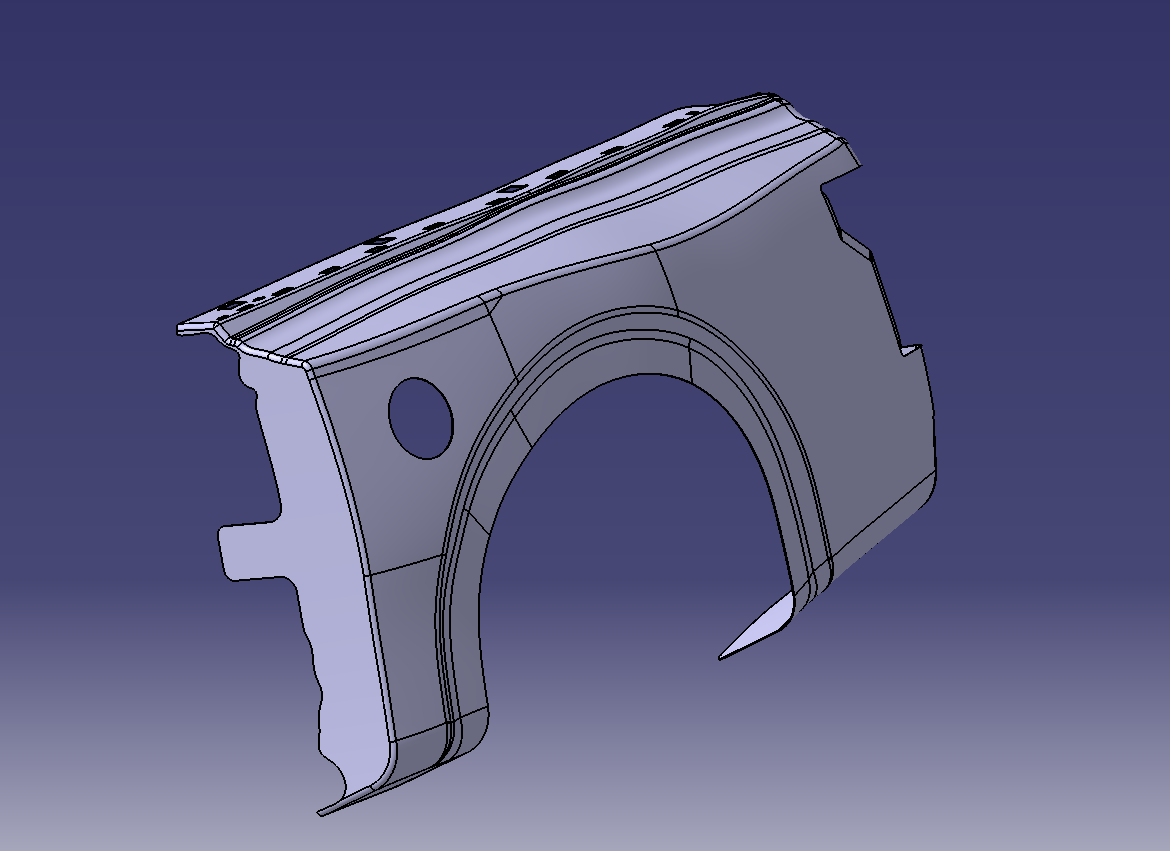
An enthusiast client wanted to take their Ford Raptor to the next level: exposed carbon fiber rear fenders, 4 inches wider than the originals. The main challenge was exact fitting — with no existing mold reference, we designed the parts from scratch in CAD, validated the body geometry and performed structural analysis to guarantee rigidity without adding unnecessary weight. The parts are planned with exposed carbon for combined track, off-road and aesthetic use. Project currently in planning and fabrication.
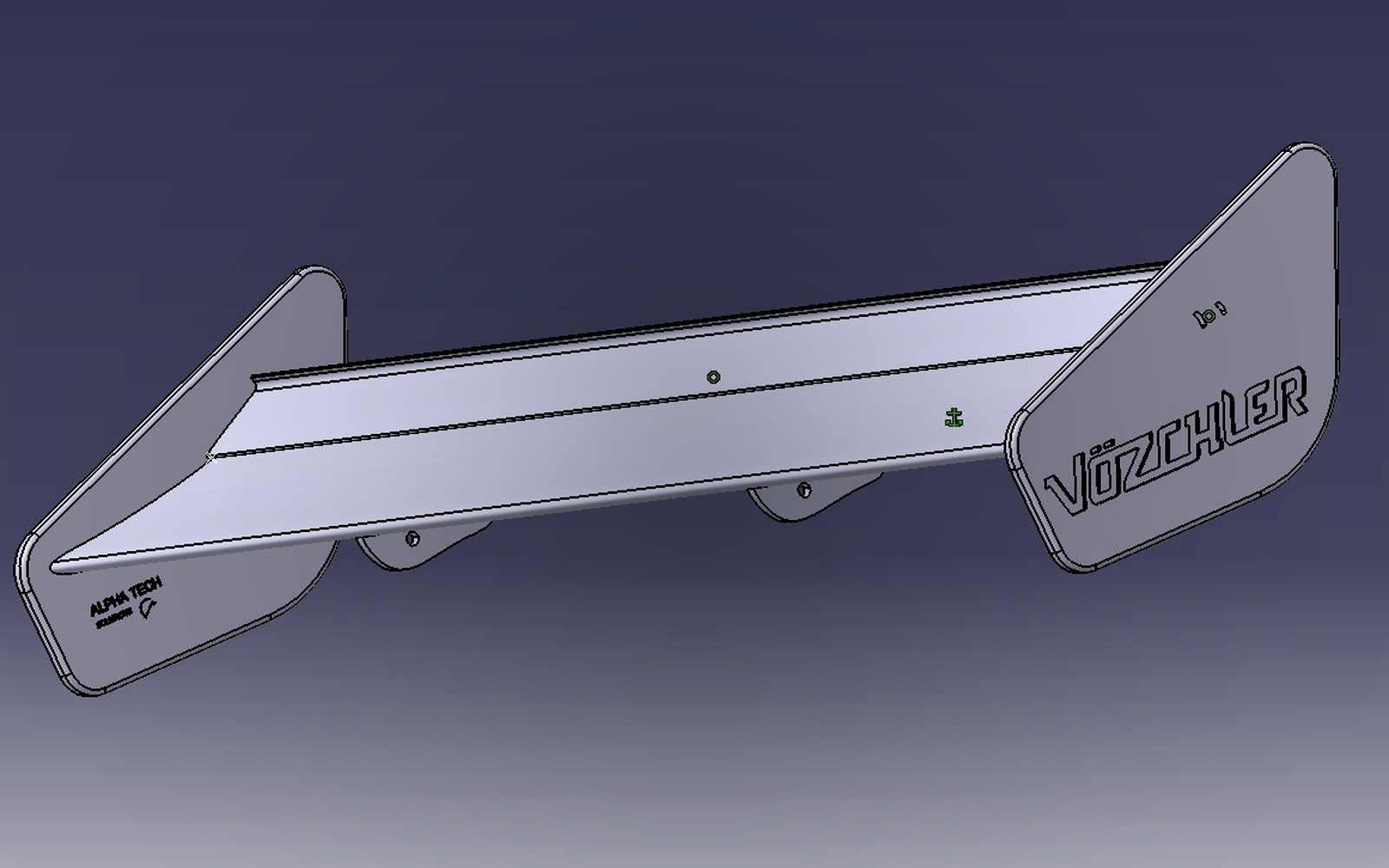
An amateur Lima-based driver wanted to extract maximum cornering performance from their Mercedes A35 at the La Chutana circuit. We initiated the CFD study of the rear wing with the goal of maximizing downforce and reducing drag. This is the first module of a planned comprehensive aerodynamic analysis of the vehicle — wing, diffuser, splitter and full body configuration. Study in active development.
The initial consultation is free and non-binding. You tell us about the project, we tell you whether we can help and what it would involve, before any budget.